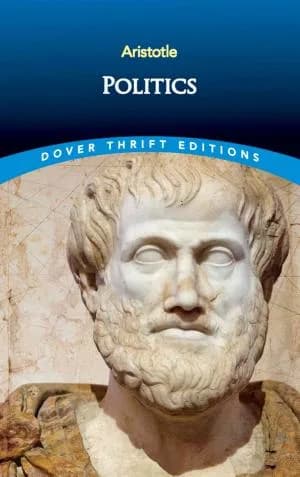
Politics
AristotleAristotle's political taxonomy — aristocracy, oligarchy, democracy, tyranny — still frames how we talk about government.
“Man is by nature a political animal”
— Aristotle
Why It's Lindy
Aristotle's political taxonomy — aristocracy, oligarchy, democracy, tyranny — still frames how we talk about government. Read alongside the Ethics, these two volumes are the core of classical practical philosophy.
About This Volume
Aristotle examines the constitutions of 158 city-states to develop a comprehensive theory of government. His central question — what kind of constitution produces a good life for its citizens? — has grounded every serious discussion of political philosophy since. The companion to the Nicomachean Ethics: if the Ethics asks how an individual should live, the Politics asks how we should live together.
Frequently Asked
Why should I read Politics?
Aristotle's political taxonomy — aristocracy, oligarchy, democracy, tyranny — still frames how we talk about government. Read alongside the Ethics, these two volumes are the core of classical practical philosophy.
What is Politics about?
Aristotle examines the constitutions of 158 city-states to develop a comprehensive theory of government. His central question — what kind of constitution produces a good life for its citizens? — has grounded every serious discussion of political philosophy since. The companion to the Nicomachean Ethics: if the Ethics asks how an individual should live, the Politics asks how we should live together.