Economics
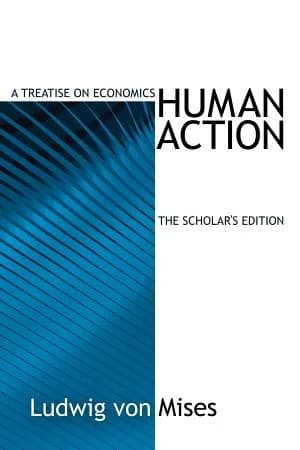
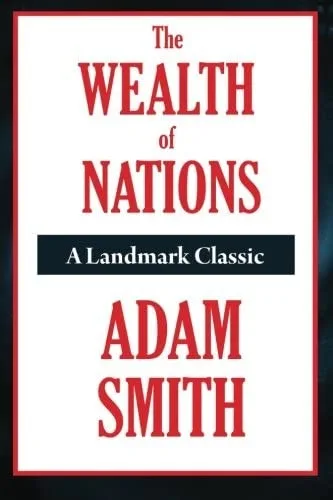
Economic thought is surprisingly old, and the oldest economic ideas are surprisingly relevant. Adam Smith's The Wealth of Nations (1776) and Mises's Human Action remain more insightful about the nature of markets than most modern economics papers. The books in this collection deal with fundamental economic questions — how societies create and distribute wealth, what the role of government is, how prices communicate information — in ways that have been tested by time and found sound.

Frequently Asked
Where should I start with economics?
The Wealth of Nations by Adam Smith is the natural starting point — it is the founding document of modern economics and far more readable than its reputation suggests.
Is classical economics still relevant today?
The fundamental principles described in classical economics — incentives, trade-offs, supply and demand, the role of institutions — are as relevant today as when they were written. The mechanisms change; the underlying human nature does not.