Skip to content
All Collections
Collection

Literature

Great literature is the art form that endures longest. Homer's Iliad, written around 800 BC, is still performed, translated, and taught today. The works in this collection are not great because critics said so — they are great because readers across thousands of years found them indispensable. They provide what no other medium can: the complete simulation of another consciousness, another era, another way of seeing the world.

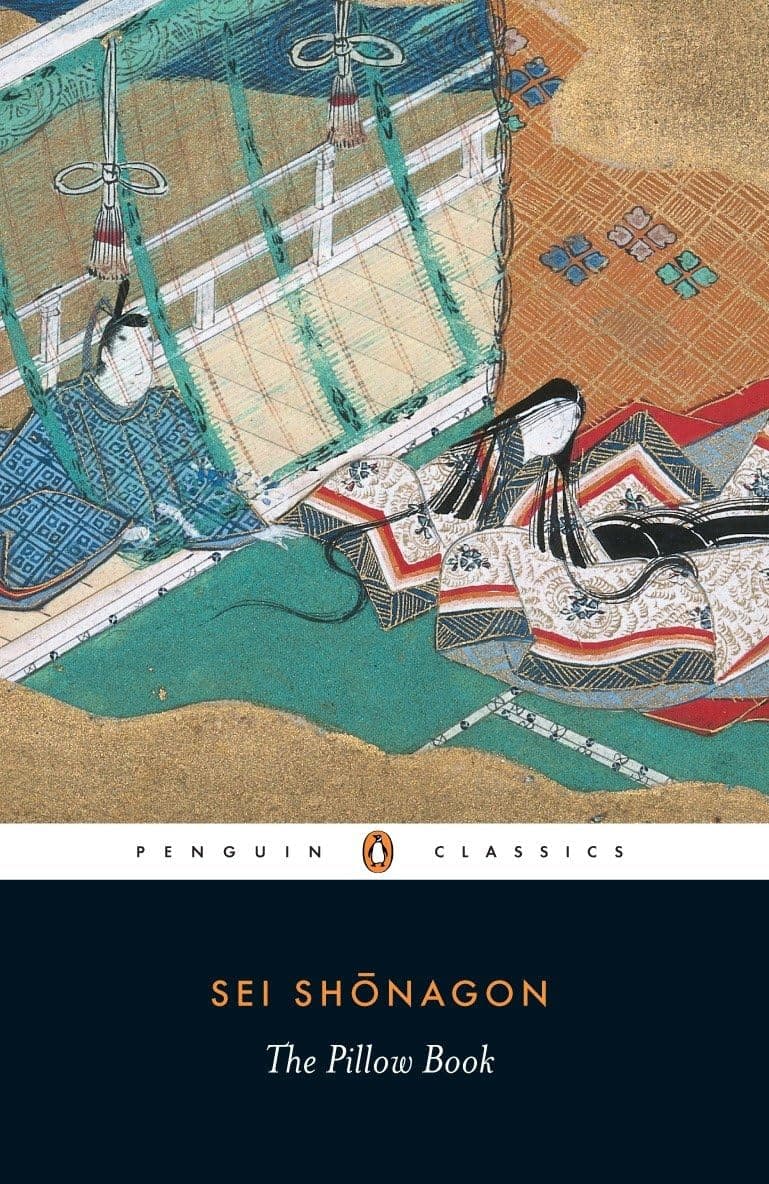
Cover of The Pillow Book
Sei Shōnagon·1002

The Pillow Book

A collection of lists, observations, gossip, and reflections kept by a lady-in-waiting at the Heian imperial court around 1000 AD — the world's first personal essay collection.

Cover of Aesop's Fables
Aesop·600 BC

Aesop's Fables

A collection of short moral tales featuring animals as characters, attributed to the Greek storyteller Aesop and transmitted orally for centuries before being written down.

Cover of The Stranger
Albert Camus·1942

The Stranger

Meursault, an emotionally detached Frenchman in Algeria, kills a man on a sun-drenched beach and faces trial — not for the murder, but for his refusal to perform the grief and remorse that society demands.

Cover of Notes from Underground
Fyodor Dostoevsky·1864

Notes from Underground

A bitter, brilliant narrator delivers a two-part monologue attacking rational egoism and the idea that human beings can be reduced to predictable, self-interested machines.

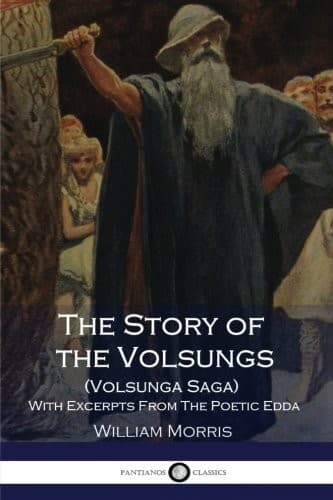
Cover of The Poetic Edda
Anonymous·800

The Poetic Edda

An unnamed collection of Old Norse poems.

Cover of Fahrenheit 451
Ray Bradbury·1953

Fahrenheit 451

In a future where books are outlawed, "firemen" are tasked with burning them.

Cover of Candide
Voltaire·1759

Candide

A satirical novella criticizing philosophical optimism ("the best of all possible worlds").

Cover of Romance of the Three Kingdoms
Luo Guanzhong·1394

Romance of the Three Kingdoms

A massive historical epic detailing the end of the Han dynasty and the fracturing of China.

Cover of The Tale of Genji
Murasaki Shikibu·1008

The Tale of Genji

A complex narrative of court life and the romantic entanglements of an emperor's son in 11th-century Japan.

Cover of Lysistrata
Aristophanes·411 BC

Lysistrata

The women of Greece unite and withhold sex from their husbands to force them to end the Peloponnesian War.

Cover of Oedipus Rex
Sophocles·429 BC

Oedipus Rex

A king discovers he has unwittingly murdered his father and married his mother.

Cover of Antigone
Sophocles·441 BC

Antigone

A young woman defies her king to properly bury her rebel brother, choosing divine law over human law.

Cover of Robinson Crusoe
Daniel Defoe·1719

Robinson Crusoe

Shipwrecked on an island for 28 years, Robinson Crusoe reconstructs civilization from scratch — building shelter, growing food, domesticating animals, and eventually rescuing a man he names Friday. The first English novel, it is simultaneously an adventure story, a Protestant meditation on providence and self-reliance, and a thought experiment about what a human being fundamentally is stripped of society.

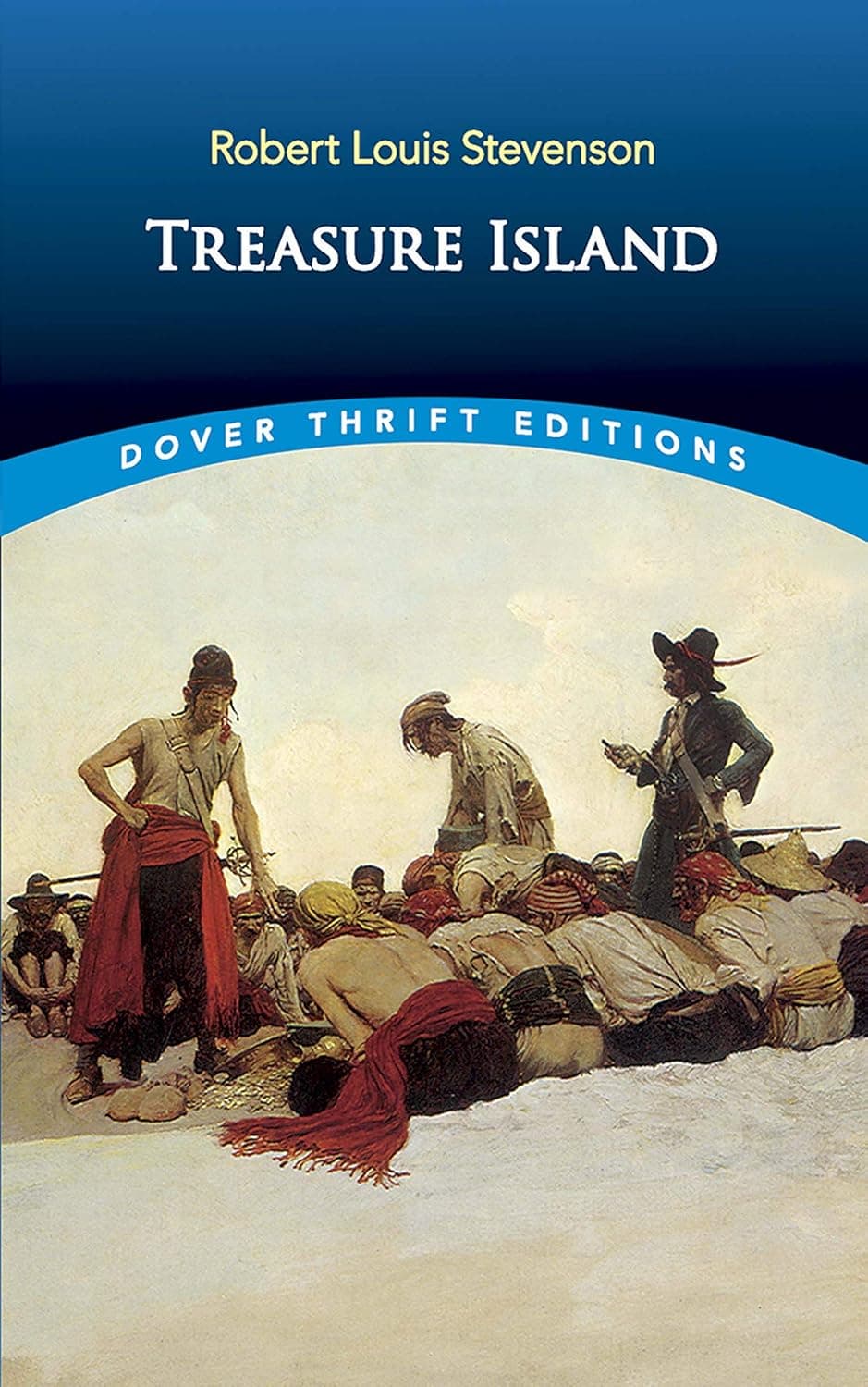
Cover of Treasure Island
Robert Louis Stevenson·1883

Treasure Island

Young Jim Hawkins discovers a treasure map, joins a ship's crew that includes the duplicitous Long John Silver, and sails to an island of gold and treachery. Written initially to entertain a child, Treasure Island became the defining template of the adventure novel: morally complex pirates, shifting loyalties, and the ambiguity of courage and greed in close quarters.

Cover of Strange Case of Dr Jekyll and Mr Hyde
Robert Louis Stevenson·1886

Strange Case of Dr Jekyll and Mr Hyde

The respectable Dr Henry Jekyll develops a formula that separates his good and evil natures into two distinct beings: the refined Jekyll and the brutal Hyde. Written in six days and published in 1886, the novella became one of the most penetrating explorations of the duality of human nature and the illusion of civilized respectability.

Cover of The Epic of Gilgamesh
Anonymous·2100 BC

The Epic of Gilgamesh

The oldest surviving work of literature in human history, inscribed on clay tablets in ancient Mesopotamia. It follows King Gilgamesh of Uruk and his companion Enkidu through heroic and tragic adventures, culminating in Gilgamesh's confrontation with death and his futile search for immortality. Its themes — friendship, hubris, grief, and the limits of human knowledge — are as immediate now as they were 4,000 years ago.

Cover of Les Misérables
Victor Hugo·1862

Les Misérables

Set in post-Napoleonic France, Les Misérables follows the ex-convict Jean Valjean across three decades as he reinvents himself while being pursued by the relentless Inspector Javert. Through its intricate web of characters Hugo constructs a moral universe in which justice and mercy are perpetually in conflict.

Cover of Gulliver's Travels
Jonathan Swift·1726

Gulliver's Travels

Lemuel Gulliver's four voyages — to the land of tiny people, the land of giants, the island of philosophers, and the land of rational horses — form the most devastating satirical structure in English literature. What appears to be an adventure story is, on closer reading, a systematic assault on human pride, political corruption, and the self-congratulation of European civilization.

Cover of Metamorphoses
Ovid·8 BC

Metamorphoses

In fifteen books of verse, Ovid retells over 250 mythological tales of transformation — from the creation of the world to the apotheosis of Julius Caesar. No other ancient text has more thoroughly shaped the imagery of Western painting, sculpture, opera, and literature.

Cover of Faust
Johann Wolfgang von Goethe·1808

Faust

Goethe's Faust — composed across sixty years — is the central work of German literature. In it, the scholar Faust wagers with Mephistopheles that the devil cannot find a moment so perfect Faust would wish it to last. What follows traverses human experience from a young woman's love to the foundations of civilization itself.

Cover of The Aeneid
Virgil·19 BC

The Aeneid

Virgil's epic follows Aeneas from the ruins of Troy to the shores of Italy, where his descendants will found Rome. At once a celebration of imperial destiny and a meditation on its cost — the abandoned Dido, the shade of Anchises, the reluctant killing of Turnus — it is the foundational text of Roman literary culture.

Cover of Atlas Shrugged
Ayn Rand·1957

Atlas Shrugged

Rand's massive philosophical novel set in a dystopian America where the productive class vanishes one by one. A dramatisation of her philosophy of Objectivism: rational self-interest as the highest virtue.

Cover of The Tartar Steppe
Dino Buzzati·1940

The Tartar Steppe

A young officer is posted to a remote desert fortress and waits his whole life for an enemy that may never come. A meditation on time, ambition, and the slow tragedy of deferred living.

Cover of Ficciones
Jorge Luis Borges·1944

Ficciones

Seventeen short fictions exploring labyrinths, libraries, mirrors, and time — the foundational works of magical realism and a permanent influence on all serious fiction that followed.

Cover of Siddhartha
Hermann Hesse·1922

Siddhartha

The spiritual journey of a young Indian man who abandons wealth and pleasure in search of enlightenment. One of the most read and beloved novels of spiritual seeking in the Western world.

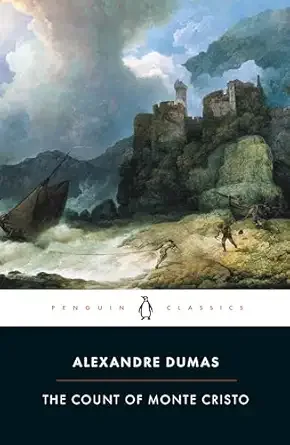
Cover of The Count of Monte Cristo
Alexandre Dumas·1844

The Count of Monte Cristo

The story of Edmond Dantès — wrongly imprisoned, improbably escaped, and elaborately revenged. The greatest adventure novel and the most sustained meditation on justice ever written in popular fiction.


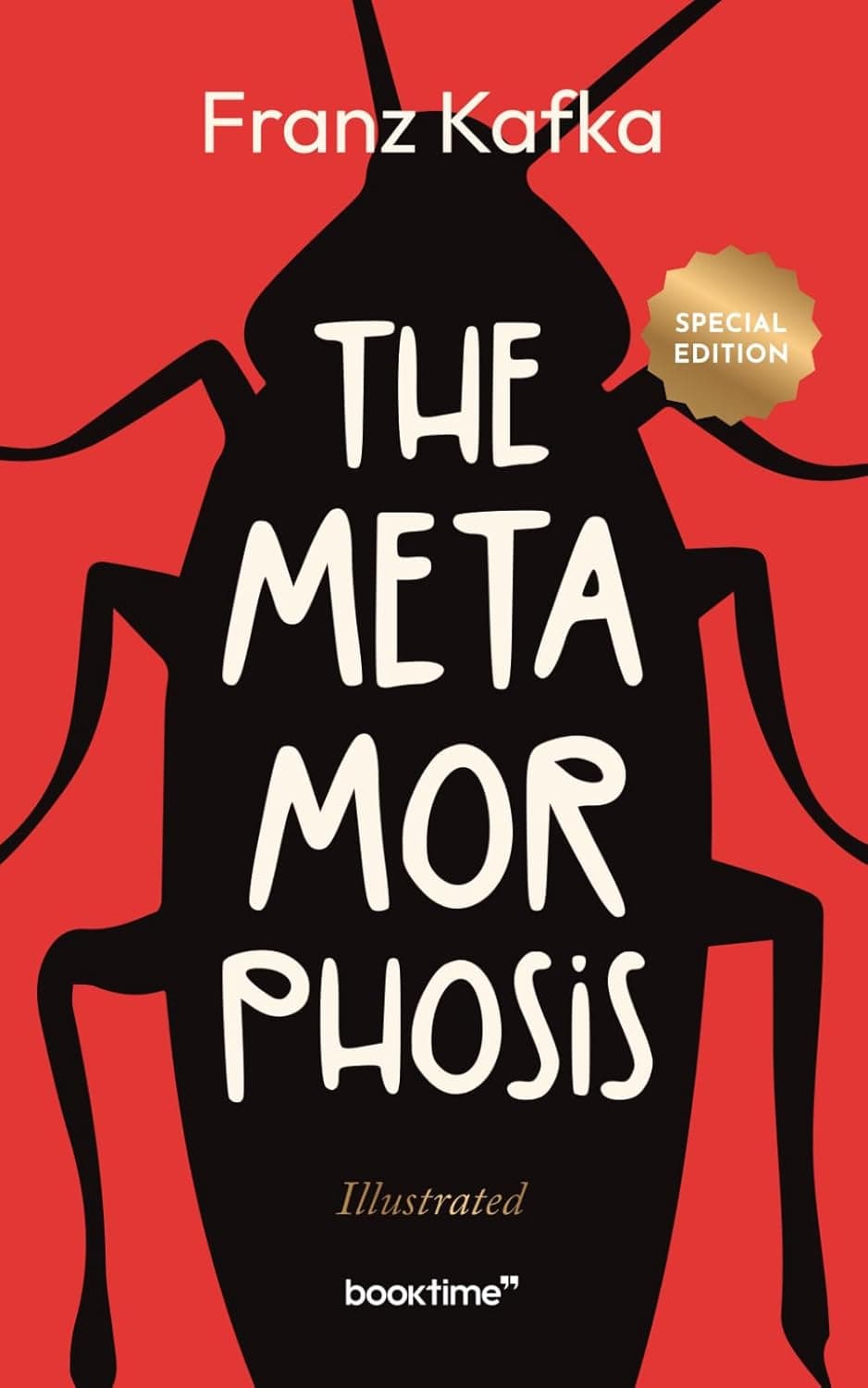
Cover of The Metamorphosis
Franz Kafka·1915

The Metamorphosis

A travelling salesman wakes to find himself transformed into a monstrous insect. In sixty pages, Kafka captured alienation, family obligation, and the absurdity of modern life more completely than most novelists manage in six hundred.

Cover of Animal Farm
George Orwell·1945

Animal Farm

An allegorical novella about a farm animal revolution that mirrors the corruptions of the Soviet revolution.

Cover of Nineteen Eighty-Four
George Orwell·1949

Nineteen Eighty-Four

Orwell's dystopian vision of a totalitarian surveillance state. The most politically influential novel of the 20th century.

Cover of The Trial
Franz Kafka·1925

The Trial

Josef K. is arrested and prosecuted by an inaccessible authority for an unspecified crime. The foundational text of existentialist fiction.

Cover of Hamlet
William Shakespeare·1603

Hamlet

Shakespeare's tragedy of the Danish prince who feigns madness while seeking revenge for his father's murder. The most performed play in the Western repertoire.

Cover of One Hundred Years of Solitude
Gabriel García Márquez·1967

One Hundred Years of Solitude

The multigenerational story of the Buendía family in the fictional town of Macondo. The defining work of magical realism.

Cover of Moby-Dick
Herman Melville·1851

Moby-Dick

The obsessive hunt of Captain Ahab for the white whale. America's national epic and one of the most ambitious novels in any language.

Cover of Anna Karenina
Leo Tolstoy·1878

Anna Karenina

The tragic story of a married aristocrat and her affair, set against the backdrop of Russian society. Tolstoy's most structurally perfect novel.

Cover of The Brothers Karamazov
Fyodor Dostoevsky·1880

The Brothers Karamazov

Dostoevsky's final novel, a murder mystery layered with profound explorations of faith, free will, and the nature of God. Often called the greatest novel ever written.

Cover of Crime and Punishment
Fyodor Dostoevsky·1866

Crime and Punishment

The psychological story of a student who murders a pawnbroker and struggles with guilt. One of the greatest explorations of the criminal mind in literature.

Cover of War and Peace
Leo Tolstoy·1869

War and Peace

Tolstoy's panoramic novel of Russian society during the Napoleonic Wars. Generally considered one of the greatest novels ever written.

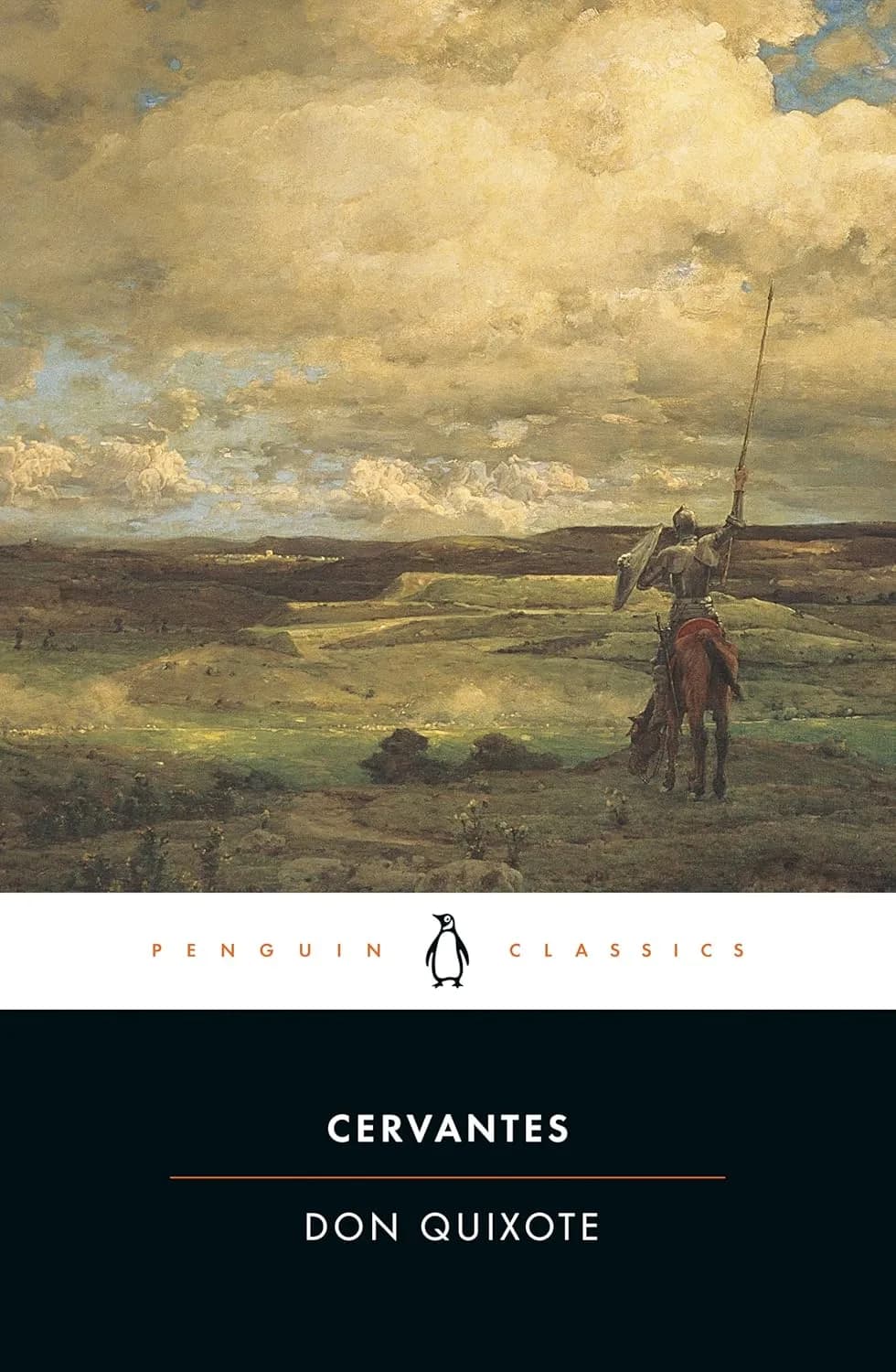
Cover of Don Quixote
Miguel de Cervantes·1605

Don Quixote

The adventures of an idealistic knight who confuses fiction with reality. Widely considered the first modern novel.

Cover of The Divine Comedy
Dante Alighieri·1320

The Divine Comedy

Dante's journey through Hell, Purgatory, and Heaven guided by Virgil and then Beatrice. The greatest poem of the medieval world and one of the great works of world literature.

Cover of The Odyssey
Homer·800 BC

The Odyssey

Odysseus's ten-year journey home from Troy. The founding myth of the Western adventure narrative and of homecoming.

Cover of The Iliad
Homer·800 BC

The Iliad

The epic poem of the Trojan War, focusing on Achilles' rage and the tragedy of heroic pride. One of the oldest and most influential works in Western literature.

Frequently Asked

Where should I start with classical literature?

Begin with Homer's Odyssey — it is a gripping adventure story that also happens to be the oldest literary work in the Western canon. From there, Dante's Inferno and Cervantes's Don Quixote are natural next steps.

Is classical literature hard to read?

Modern translations have made classical literature far more accessible than most people expect. The Fagles translation of Homer reads like a contemporary novel. The barrier is mostly psychological — start with a good translation and you will find it immediately engaging.