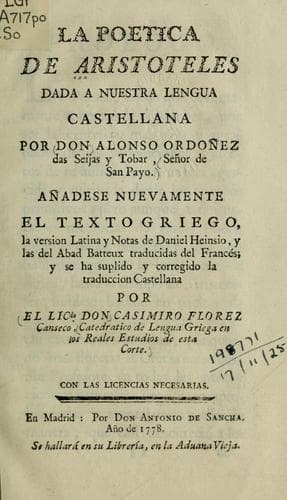
Aristotle's analysis of tragedy, comedy, and epic poetry, identifying the structural elements — plot, character, thought, diction, song, spectacle — that make a dramatic work succeed, and coining the concept of catharsis.
Aristotle's investigation into first principles and the nature of being itself — examining substance, cause, form and matter, actuality and potentiality, and the existence of an unmoved first mover behind all change.
Aristotle examines the constitutions of 158 city-states to develop a comprehensive theory of government. His central question — what kind of constitution produces a good life for its citizens? — has grounded every serious discussion of political philosophy since. The companion to the Nicomachean Ethics: if the Ethics asks how an individual should live, the Politics asks how we should live together.