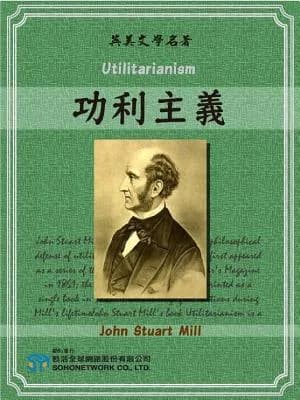
Utilitarianism
John Stuart MillStill the primary text in any introduction to utilitarian ethics.
“The creed which accepts as the foundation of morals, Utility, or the Greatest Happiness Principle, holds that actions are right in proportion as they tend to promote happiness, wrong as they tend to produce the reverse of happiness.”
— John Stuart Mill
Why It's Lindy
Still the primary text in any introduction to utilitarian ethics. Its central argument — that the morality of an action is determined by its consequences for wellbeing — underlies modern policy analysis, public health, and economics.
About This Volume
In five compact essays, Mill refines and defends the utilitarian principle — that actions are right insofar as they promote happiness, wrong insofar as they produce the reverse. Mill's crucial contribution is the distinction between higher and lower pleasures: the happiness of a human being is not the happiness of a pig. The most readable and enduring defense of consequentialist ethics.
Frequently Asked
Why should I read Utilitarianism?
Still the primary text in any introduction to utilitarian ethics. Its central argument — that the morality of an action is determined by its consequences for wellbeing — underlies modern policy analysis, public health, and economics.
What is Utilitarianism about?
In five compact essays, Mill refines and defends the utilitarian principle — that actions are right insofar as they promote happiness, wrong insofar as they produce the reverse. Mill's crucial contribution is the distinction between higher and lower pleasures: the happiness of a human being is not the happiness of a pig. The most readable and enduring defense of consequentialist ethics.