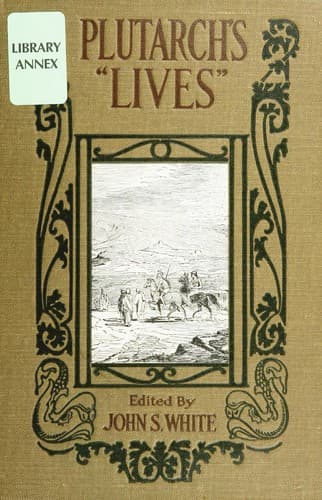
Lives
PlutarchShakespeare's primary source for Julius Caesar, Antony and Cleopatra, and Coriolanus.
“For it is not histories that I am writing, but lives.”
— Plutarch
Why It's Lindy
Shakespeare's primary source for Julius Caesar, Antony and Cleopatra, and Coriolanus. Montaigne read it obsessively. The Founding Fathers kept it at hand. Nearly 2,000 years old and still the most instructive study of how great men actually behave under pressure.
About This Volume
Forty-eight biographies arranged in pairs — a Greek life alongside a Roman counterpart — followed by a comparison of the two. Plutarch was not writing history but moral philosophy in the form of biography: his subjects are chosen and their lives narrated to illuminate virtue and vice in action. Alexander alongside Caesar. Demosthenes alongside Cicero. Brutus alongside Dion.
Frequently Asked
Why should I read Lives?
Shakespeare's primary source for Julius Caesar, Antony and Cleopatra, and Coriolanus. Montaigne read it obsessively. The Founding Fathers kept it at hand. Nearly 2,000 years old and still the most instructive study of how great men actually behave under pressure.
What is Lives about?
Forty-eight biographies arranged in pairs — a Greek life alongside a Roman counterpart — followed by a comparison of the two. Plutarch was not writing history but moral philosophy in the form of biography: his subjects are chosen and their lives narrated to illuminate virtue and vice in action. Alexander alongside Caesar. Demosthenes alongside Cicero. Brutus alongside Dion.