“If a man put out the eye of another man, his eye shall be put out.”
— Hammurabi of Babylon
Why It's Lindy
The oldest law code in existence. Its structure — specific case, specific consequence — is recognizable in every legal system since. That law can be written down, made public, and applied consistently is an idea that began here.
About This Volume
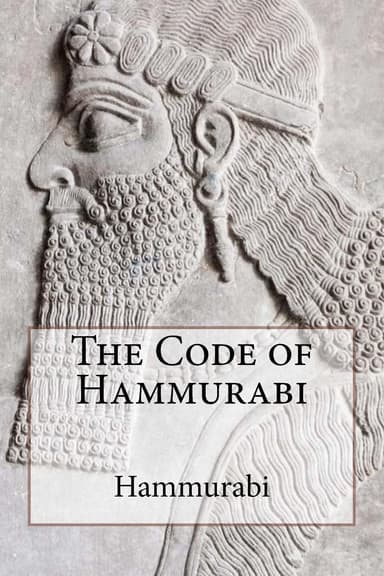
The most complete surviving legal code of the ancient world, inscribed on a black stone stele by the Babylonian king Hammurabi around 1754 BC. Its 282 laws govern commerce, labor, property, family, and criminal justice — including the earliest known articulation of proportional punishment. It represents the first attempt to systematize law into a coherent, publicly visible code.
Frequently Asked
Why should I read The Code of Hammurabi?
The oldest law code in existence. Its structure — specific case, specific consequence — is recognizable in every legal system since. That law can be written down, made public, and applied consistently is an idea that began here.
What is The Code of Hammurabi about?
The most complete surviving legal code of the ancient world, inscribed on a black stone stele by the Babylonian king Hammurabi around 1754 BC. Its 282 laws govern commerce, labor, property, family, and criminal justice — including the earliest known articulation of proportional punishment. It represents the first attempt to systematize law into a coherent, publicly visible code.